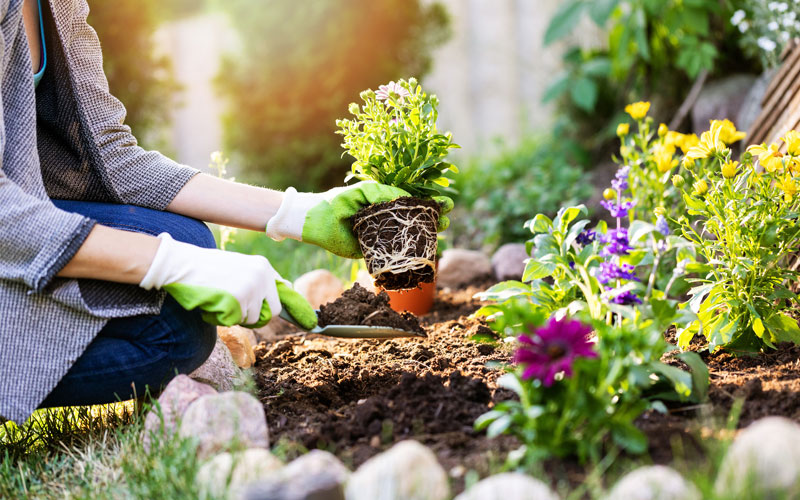
Three years ago I killed an entire tray of tomato seedlings in one weekend. Left them outside on a "warm" April afternoon, temps dropped overnight, and I woke up to little green mush. That's when I actually started paying attention to what spring gardening really demands — not just tossing seeds in dirt and hoping for the best.
If you're standing in your backyard right now wondering what to actually plant, or you've got a bag of soil sitting in the garage that you bought three weeks ago and haven't touched, this one's for you.
Why Spring Is Actually Tricky (Not Easy)
Everyone talks about spring like it's the "easy" planting season. It's not, really. The soil is still cold in most zones even when the air feels warm. I check my local frost dates every year using the Old Farmer's Almanac frost date tool, and honestly it's saved me more than once from planting too early.
If you're the type who tracks dates for everything (I definitely am), a site like howmanydaysuntilspring.com is genuinely handy for knowing exactly how much runway you've got before the season shifts. I keep it bookmarked right next to my planting calendar.
The Plants That Actually Do Well Right Now
I'm not going to give you some generic "50 plants for spring" list. These are the ones I've actually grown, killed, revived, or bragged about to my neighbors.
1. Snap Peas
These are almost impossible to mess up. I plant mine along a cheap trellis I got from Home Depot for under $15. They love the cool soil and actually taste better than anything from the grocery store. Kids love eating them straight off the vine too — mine does, anyway.
2. Lettuce and Spinach
Cold-tolerant, fast-growing, and forgiving if you forget to water for a day. I learned the hard way that lettuce bolts (goes bitter and shoots up a flower stalk) fast once it gets warm, so plant early and harvest often.
3. Radishes
If you want something that makes you feel like a gardening genius within three weeks, plant radishes. Seriously — from seed to harvest in about 21-25 days. I use them as a confidence booster for anyone new to gardening.
4. Pansies and Violas
For color without stress. These handle a light frost fine, which most flowering plants can't. I've had them survive a surprise cold snap that wiped out my neighbor's petunias.
5. Tomatoes (but wait a bit)
Everyone wants to plant tomatoes in spring, but this is where most people — myself included — mess up. Tomatoes need consistently warm soil, not just warm air. I now start mine indoors under a cheap grow light setup and don't transplant outside until nighttime temps are reliably above 50°F.
6. Herbs — Basil, Cilantro, Parsley
Basil is a heat lover, so I start it indoors too. Cilantro and parsley, on the other hand, actually prefer the cooler spring weather and bolt once summer hits. I grow all three in a simple raised planter box near my kitchen door so I can just walk out and snip what I need.
My Step-by-Step Spring Planting Routine
Here's roughly what I do every year now, after enough trial and error:
Step 1: Check your zone and frost date.
Look up your USDA hardiness zone if you haven't already. It changes everything about what you can plant and when.
Step 2: Test your soil, don't guess.
I use a cheap $12 soil pH meter from Amazon. Spring soil is often more acidic than people expect, especially after winter snow melt.
Step 3: Start with the cold-tolerant crops.
Peas, lettuce, spinach, radishes — get these in first while soil is still cool.
Step 4: Prep containers or beds two weeks before planting.
Add compost, turn the soil, let it settle. I made the mistake early on of planting immediately after adding fresh compost, and it actually burned some of my seedlings.
Step 5: Start heat-lovers indoors.
Tomatoes, peppers, basil — start these inside under grow lights 6-8 weeks before your last frost date.
Step 6: Harden off before transplanting.
This is the step almost everyone skips. Gradually expose indoor-started plants to outdoor conditions over about a week before fully transplanting. Skip this and your plants go into shock.
Step 7: Mulch early.
Even in spring, mulch helps regulate soil temperature swings, which are brutal on young roots.
Real Mistakes I've Made (So You Don't Have To)
Planting tomatoes too early. Already mentioned this one, but it's worth repeating because it's the most common mistake I see.
Overwatering "just in case." Spring rain is often enough. I drowned a whole batch of pepper seedlings by adding extra water because I was nervous.
Ignoring wind. Spring winds in my area are no joke. I lost a few young plants that snapped because I didn't stake them early enough.
Buying plants before prepping soil. I've had plants sit in their nursery pots for two weeks because I wasn't ready for them. Not ideal for root health.
Not tracking dates. This sounds small, but knowing exactly how many days until the season shifts actually changes your planting decisions. I keep a rough mental calendar using howmanydaysuntilspring.com so I'm not just guessing based on how warm it "feels" outside.
A Quick Note on Location-Based Planting
Where you live really does change everything about your spring planting window. If you're somewhere like Colorado Springs, checking current local time and seasonal shifts can actually help you plan watering schedules around daylight hours, especially if you're working a 9-5 and only have early morning or evening windows for garden care.
And if spring for you is more about getting outside than digging in dirt, places like Palm Springs turn into a completely different kind of destination this time of year — worth checking out what to do in Palm Springs if you need a break from the garden gloves.
Also, if you're planning your planting schedule around long weekends or time off, it's worth glancing at the spring holidays calendar — I've timed a few big planting weekends around a holiday Monday just to get a full extra day in the dirt.
What I'd Tell a Beginner
Start smaller than you think you should. I know it's tempting to plant everything the first warm weekend, but a small, well-tended garden beats a big, neglected one every time.
Pick two or three plants from this list, actually watch how they grow, and build from there next season. That's genuinely how I went from killing tomato seedlings to having neighbors ask me for gardening advice.
Spring gardening isn't about doing everything right the first time. It's about paying attention, adjusting, and not being afraid to lose a plant or two along the way. That's just part of it.